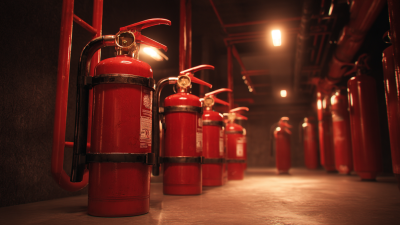
How to Choose the Right Fire Equipment for Your Business?
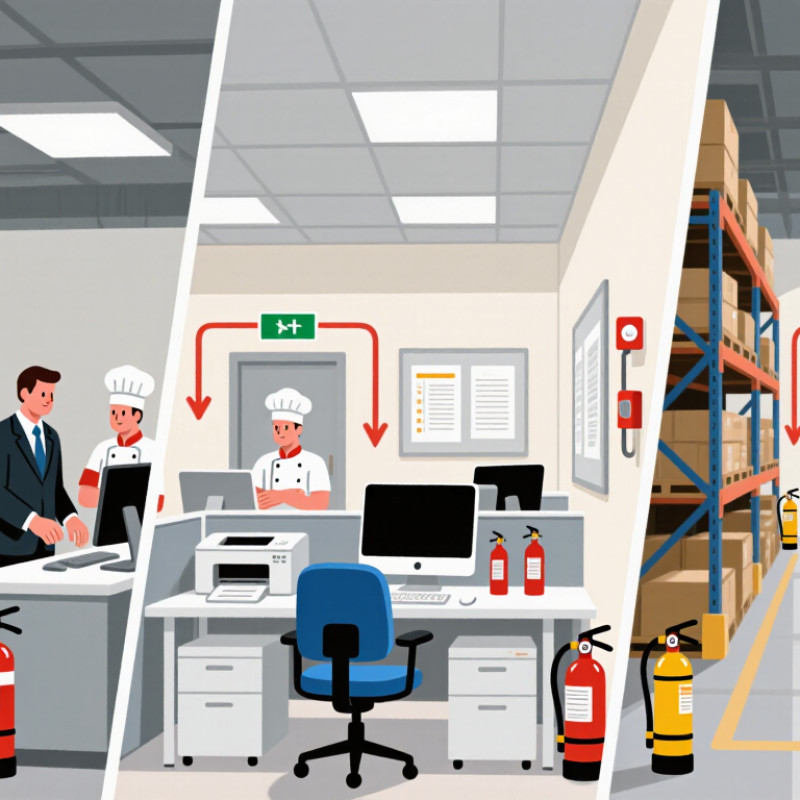
Choosing the right Fire Equipment for your business begins with understanding actual risks, not simply buying familiar red cylinders. A commercial kitchen may need suitable wet chemical extinguishers near cooking appliances, while an office may require equipment for electrical and paper-related fires. Warehouses present different challenges, including stacked packaging, charging stations, dust, and restricted access routes. The correct solution depends on the building layout, occupancy, materials, and daily operations.
Start with a documented fire risk assessment from a qualified professional. Review alarm coverage, emergency lighting, fire doors, extinguishers, signage, and evacuation routes together. Equipment must remain visible, reachable, clearly marked, and appropriate for the likely fire types. A trained technician should inspect and service it according to manufacturer instructions and applicable local requirements. Keep inspection records, training logs, and replacement dates in one accessible location. Small details matter. A blocked extinguisher can become useless within seconds.
There is no universal equipment list. That is easy to forget. A small business may focus on purchase prices and overlook maintenance, staff confidence, or changing stock. Ask employees what they would do during a smoky, noisy emergency. Their answers may reveal gaps that a checklist misses. Reliable guidance should come from recognized safety bodies, competent fire professionals, and equipment manufacturers. Review the plan after renovations, new machinery, staffing changes, or incidents. Choosing well is not a one-time purchase; it is an ongoing responsibility built around prevention, practical training, and dependable protection.
Define Your Business’s Fire Safety Risks and Equipment Needs
Choosing the right fire equipment begins with defining your business’s actual fire risks. A restaurant faces cooking-oil hazards, while a warehouse may face combustible packaging, dust, and battery fires. Do not start with extinguisher size. Start with fuel sources, ignition points, occupancy, and evacuation routes.
The NFPA report Fire Loss in the United States During 2023 recorded 1,504,500 fires and approximately $24.2 billion in property damage. These figures show why general assumptions are unsafe. Map each work area. Note electrical panels, kitchens, chemical storage, charging stations, and blocked access points. Then match equipment to the hazard class, room size, travel distance, and likely users. Water-based equipment is unsuitable for energized electrical equipment and cooking oils.
Keep it practical. An extinguisher hidden behind stock is not available equipment. OSHA guidance emphasizes accessibility, inspection, maintenance, and employee training. Select clearly marked units, emergency lighting, alarm devices, and suitable suppression systems where risks justify them. The U.S. Fire Administration also identifies cooking as a leading cause of reported home fires, a useful warning for commercial kitchens with similar heat sources. A written assessment can still miss changing risks. Review it after renovations, new machinery, staffing changes, or near-misses. Perfect planning is unlikely. Regular reflection is safer.
Understand the Main Types of Fire Protection Equipment
How to Choose the Right Fire Equipment for Your Business?
Understand the Main Types of Fire Protection Equipment
Choosing fire equipment starts with understanding the risks inside your workplace. Paper, cooking oil, electrical panels, and flammable liquids need different protection. A water extinguisher may control ordinary combustibles, but it can create danger near energized equipment. The label and fire classification must match the hazard.
Portable fire extinguishers provide fast, local response. Mount them near exits, kitchens, workshops, and storage areas. Keep them visible and easy to reach.
Fire hose reels or standpipe systems can support larger buildings when trained users can operate them safely. They also require regular inspections, clear access, and reliable water pressure.
Automatic sprinklers protect occupied areas when a fire grows beyond the first response. They work with fire alarm and detection systems, which provide early warning through smoke, heat, or flame sensors. Emergency lighting, fire blankets, and manual alarm points may add valuable support in specific locations. Every system needs testing by competent professionals and maintenance records.
Small details matter.
During a site review, walk through normal work routines, not just floor plans. A blocked extinguisher is useless. A detector covered by dust may respond too slowly. I sometimes find that businesses buy equipment before identifying their hazards. That approach feels efficient, but it often creates gaps. Local fire codes, building conditions, staff training, and evacuation needs should guide the final selection.
Match Equipment Choices to Fire Classes and Workplace Hazards
How to Choose the Right Fire Equipment for Your Business?
Match every device to the fire classes and hazards present in your workplace. Class A fires involve paper, wood, textiles, and other ordinary materials. Class B fires involve flammable liquids, such as solvents or fuel. Class C may involve energized electrical equipment, while Class K covers commercial cooking oils. Some regions use different classifications, so verify local guidance before purchasing equipment.
A small office may need equipment for paper, electrical devices, and battery charging areas. A workshop could require additional protection for welding, fuels, or combustible metals. Kitchens need equipment designed for hot cooking oils, not a general water extinguisher. The wrong choice can spread flames or expose users to electric shock. That detail is easy to overlook. Fire blankets, alarms, emergency lighting, and clearly marked access routes can also support a safer response. Equipment should remain visible, reachable, and suitable for the room’s temperature and layout.
Tips: Walk through the workplace with a qualified fire-safety professional. Record each hazard, fire class, equipment location, and inspection date. Train staff using realistic scenarios, but never encourage untrained people to fight a growing fire. Check pressure indicators, seals, signage, and access regularly. A label may appear reassuring, yet it does not prove the device matches your risk. Reassess after renovations, new machinery, or changes in stored materials. Small businesses often underestimate battery storage areas. That assumption deserves a second look.
How to Choose the Right Fire Equipment for Your Business?
Match equipment choices to fire classes and workplace hazards
The chart shows whether each extinguishing medium is generally suitable for common fire classes: Class A involves ordinary combustibles, Class B flammable liquids, Class C energized electrical equipment, Class D combustible metals, and Class K cooking oils and fats. A value of 1 indicates general suitability; 0 indicates that the medium should not normally be selected. Always verify local regulations and the specific hazard assessment before installing fire equipment.
Check Legal Standards, Placement Rules, and Accessibility
How to Choose the Right Fire Equipment for Your Business?
Choosing fire equipment starts with legal standards, not guesswork. Requirements vary by country, building type, occupancy, and workplace hazards. Check local fire codes, inspection rules, and equipment certification requirements before purchasing. A qualified fire safety professional can assess risks more accurately than a simple floor-plan review.
Placement matters every day. Extinguishers should be visible, clearly marked, and easy to reach without moving boxes or furniture. Keep access routes open, especially near kitchens, electrical rooms, workshops, and exits. Mounting height and travel distance may also follow local rules. An extinguisher can be technically present but practically useless if employees cannot reach it quickly. That detail is easy to miss.
Tips: Walk through the premises during a busy shift. Look for blocked cabinets, poor lighting, slippery floors, or locked doors. Use signs that employees can understand immediately. Check pressure indicators, seals, inspection tags, and emergency lighting regularly. Train staff with realistic scenarios, but avoid creating panic. Ask whether a wheelchair user, visitor, or new employee could find and operate the equipment. This question may expose weaknesses in an otherwise polished safety plan. Review the arrangement after renovations, storage changes, or new machinery. Be willing to revise it.
Plan Installation, Training, Inspection, and Equipment Replacement
How to Choose the Right Fire Equipment for Your Business?
Choosing fire equipment begins with understanding your workplace, not filling a shopping list. Walk through kitchens, workshops, storage rooms, offices, and loading areas. Note electrical panels, flammable materials, heat sources, exits, and narrow access points. A qualified fire-safety professional can match equipment types, ratings, and locations to these hazards and local requirements.
Installation needs careful planning. Mount extinguishers where employees can see and reach them quickly, without blocking escape routes. Keep signs visible above busy equipment and maintain clear floor space. Training should include hands-on practice, alarm response, evacuation routes, and reporting procedures. Employees need simple instructions under pressure. Keep attendance records and refresh training after staff changes or layout updates.
Tips:
Create a location map. Label inspection dates. Ask staff to explain the alarm process. Test understanding, not memory. During inspections, check pressure indicators, seals, access, damage, and mounting security. Use trained inspectors when required, and record every finding. Replace equipment after discharge, serious corrosion, failed inspection, or the end of its approved service life. Replacement planning should include supplier availability, installation time, disposal arrangements, and budget space. I once treated an expired unit as a minor detail; that delay exposed a weakness in our process. A neat cabinet is not proof of readiness. Review the plan after drills, incidents, renovations, or new machinery.
Related Posts
-
How to Implement Effective Fire Protection Systems in Your Business Environment
-
How to Choose Fire Protection Products for Your Business?
-
Unique Styles of Fire Extinguishers That Excel in Equipment Protection
-
2025 Trends in Firefighting Technology: How to Select the Best Equipment for Your Needs
-
Top 10 Must Have Firefighters Equipment for 2023 You Need to Know
-
Global Sales of Upgraded Chinese Fire Protection Equipment for Optimal Safety Solutions