How to Choose WPC Waterproof Solutions for Your Projects?
In today's construction landscape, choosing the right materials is crucial. Wpc Waterproof solutions stand out due to their durability and versatility. These products are made from wood-plastic composites, offering an innovative alternative to traditional materials. They provide excellent resistance to moisture, making them ideal for outdoor projects.
However, not all WPC waterproof solutions are created equal. Some may lack the necessary strength or longevity. It's essential to evaluate various brands and types. Consider factors like their resistance to UV rays and ease of installation. Reading consumer reviews can help identify reliable options.
Achieving the perfect balance between aesthetics and functionality is vital. Many projects face challenges when selecting the right WPC waterproof choice. Taking the time to research and compare will lead to better outcomes. Trusting in quality will ultimately enhance the lifespan of your projects.
Understanding WPC Material Characteristics and Benefits
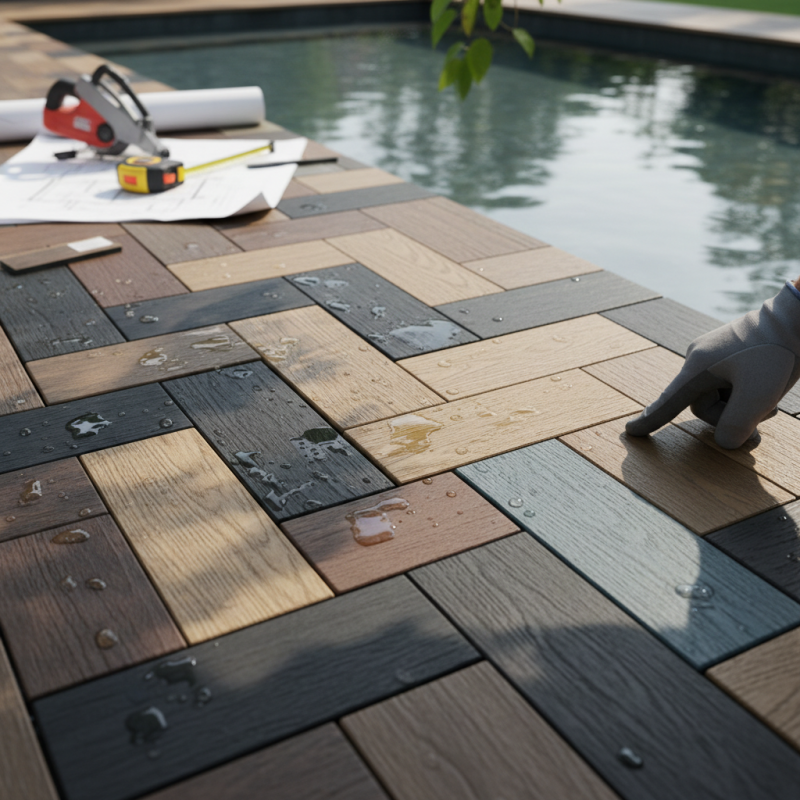
WPC, or Wood Plastic Composite, is renowned for its unique characteristics. It combines the robustness of wood with the durability of plastic. This synergy results in a versatile material, perfect for various applications. WPC is resistant to moisture, making it ideal for outdoor projects. It won't warp or splinter like traditional wood.
The benefits extend beyond just weather resistance. WPC is low maintenance. A simple wash is often all that's needed to keep it looking fresh. However, potential buyers should be aware of its limitations. While it resists rot, excessive exposure to harsh chemicals can degrade its integrity. Understanding these nuances can ensure that you choose the best WPC solution for your needs.
In addition to functional advantages, WPC offers an aesthetic appeal. It can mimic the look of natural wood without the associated drawbacks. Homeowners often appreciate its eco-friendly aspect. WPC often contains recycled materials, aligning with sustainable practices. However, it's essential to verify material sourcing, as quality can vary. Exploring these characteristics allows for informed decision-making in your projects.
Evaluating Various WPC Waterproof Solutions for Different Environments
When evaluating WPC waterproof solutions, it's essential to consider the environment where they will be used. Humid areas, like bathrooms and coastal regions, require stronger moisture resistance. Choosing materials with high density can improve durability in these settings. Additionally, ensure that the texture of the WPC complements its waterproofing capabilities. A smoother finish may prevent water absorption, while a rougher texture might trap moisture.
In contrast, dry environments might not necessitate the same level of waterproofing. Here, aesthetics can take precedence. Visual appeal becomes a priority in places like patios and decks. However, even in arid zones, occasional rain can pose risks. It's advisable to select options that offer some level of weather resistance, even if moisture isn't a constant concern. Evaluating the specific requirements for these contrasting conditions can be challenging.
One must remain flexible in their approach. Sometimes, the best solution isn't the most obvious. Engaging with professionals can provide insights into the unique dynamics of your project. Balancing cost, appearance, and performance is tricky. It's a process that involves trial and error. Don’t hesitate to revisit your choices as conditions change. An adaptable mindset can lead to more successful outcomes.
WPC Waterproof Solutions Performance Comparison
Factors to Consider When Selecting WPC Products for Durability
When selecting WPC (Wood Plastic Composite) products for your projects, durability is a crucial factor. Consider the material composition. WPC is generally made from wood fibers and recycled plastics, which can impact its longevity. High-quality blends typically resist warping and deterioration more effectively. It's essential to research the specific ingredients used in the composite. If possible, seek samples to analyze texture and flexibility firsthand.
Additionally, pay attention to UV resistance. Exposure to sunlight can degrade many materials over time. Look for WPC products with UV stabilizers integrated into their design. These features help maintain the appearance and structural integrity. Testing under different weather conditions could provide insights, yet not all products perform equally.
Another critical aspect relates to maintenance requirements. Some WPC alternatives may require regular cleaning or sealing to keep them looking fresh. Consider your project's location and the expected climate impacts. For instance, humid environments can introduce mold growth. Assess whether a periodic care plan fits your project's needs and your budget. A careful evaluation will help in making an informed decision.
How to Choose WPC Waterproof Solutions for Your Projects?
| Factors | Description | Importance |
| Material Composition | Evaluate the mixture of wood fibers and plastic to ensure optimal performance. | High |
| Resistance to Moisture | Select products with high resistance to moisture to prevent warping and decay. | Critical |
| UV Stability | Ensure materials are treated for UV resistance to maintain color and integrity. | High |
| Weight | Consider the weight for ease of installation without compromising durability. | Moderate |
| Surface Finish | Choose finishes that enhance grip and aesthetic appeal, while being easy to clean. | Important |
| Sustainability | Select WPC products sourced from sustainable resources to promote environmental responsibility. | High |
Cost Analysis: Budgeting for WPC Waterproof Solutions
When budgeting for WPC (Wood Plastic Composite) waterproof solutions, it's crucial to assess various factors influencing costs. The initial investment in WPC materials can range from $2 to $6 per square foot, depending on quality and manufacturer selectivity. According to the latest industry report by the American Composites Manufacturers Association, WPC usage has increased by over 20% annually. This surge highlights WPC's growing demand due to its durability and low maintenance costs.
Labor costs also play a significant role in the overall budget. Installation typically requires skilled labor, priced between $50 to $100 per hour. Projects that require custom designs may incur additional costs, which can impact your budget. A detailed analysis can reveal that, while up-front costs can be higher, WPC solutions often lead to lower long-term expenses due to minimal upkeep and replacement needs. Damp and moisture-prone environments can substantially impact longevity, making WPC a strategic investment.
However, consider the environmental impact when selecting WPC products. Some reports indicate that not all WPC materials are created equal; certain manufacturing processes can result in higher carbon emissions. Understanding the lifecycle and sourcing of materials is essential for a responsible and informed decision. Cost consideration should also align with ethical standards and sustainability practices to achieve both financial and environmental balance.
Installation Guidelines and Best Practices for WPC Applications
When selecting WPC (Wood Plastic Composite) for your projects, installation plays a crucial role. The surface should be clean and dry before laying down the material. Make sure to check for unevenness. Use a level to identify high or low spots. The area must be properly prepared. Any debris can lead to problems later.
For expansion, allow gaps between boards. WPC expands and contracts with changes in temperature. If you don't leave room, the boards can warp. Use spacers during installation to ensure uniform gaps. Fasteners also need careful consideration. Too tight and they can cause splitting. Too loose and the board may shift.
Consider the surrounding environment as well. High moisture areas need specific attention. Proper drainage is essential. Addressing these details upfront can prevent headaches later. Reflect on past installations. What went well? What can be improved? Learning from experience is vital for future projects.