How to Choose the Best Extinguisher Cabinets?
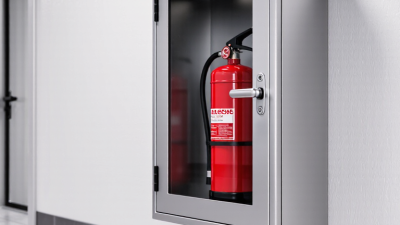
Choosing the right Extinguisher Cabinets is a practical safety decision, not merely a matter of appearance. A well-selected cabinet protects firefighting equipment from dust, moisture, impact, and unauthorized handling. It also keeps the extinguisher visible and reachable during a stressful emergency.
Start by examining the building’s environment and fire protection plan. A cabinet near a busy entrance may need strong steel construction and a clear viewing panel. Outdoor locations require weather-resistant materials, sealed edges, and corrosion protection. In humid areas, poorly finished metal can deteriorate surprisingly fast. That detail is easy to overlook.
Size matters too. The cabinet should hold the specified extinguisher without forcing it into place. Allow enough clearance for quick removal, inspection, and maintenance. A cramped cabinet may look tidy but delay access when every second matters. The door should open smoothly, while the viewing area should remain clean and unobstructed.
Professional guidance is valuable here. Fire safety specialists can assess extinguisher type, placement, mounting height, visibility, and local installation requirements. Manufacturer instructions also deserve careful attention. They often reveal limits that product photographs cannot show.
Aesthetic matching has its place.
However, design must never weaken usability. Bright markings, durable labels, and suitable signage help people identify the cabinet immediately. Some projects focus too heavily on polished finishes. That can be a mistake.
This guide considers materials, dimensions, accessibility, security, maintenance, and installation conditions. It also recognizes an uncomfortable truth: the cheapest cabinet may create higher replacement and maintenance costs later. Careful selection supports reliable fire readiness and protects both equipment and people.
Types of Fire Extinguisher Cabinets and Their Applications
How to Choose the Best Extinguisher Cabinets?
Types of Fire Extinguisher Cabinets and Their Applications
Fire extinguisher cabinets protect equipment from dust, impact, moisture, and careless handling. Their design should match the building, extinguisher type, and emergency access route.
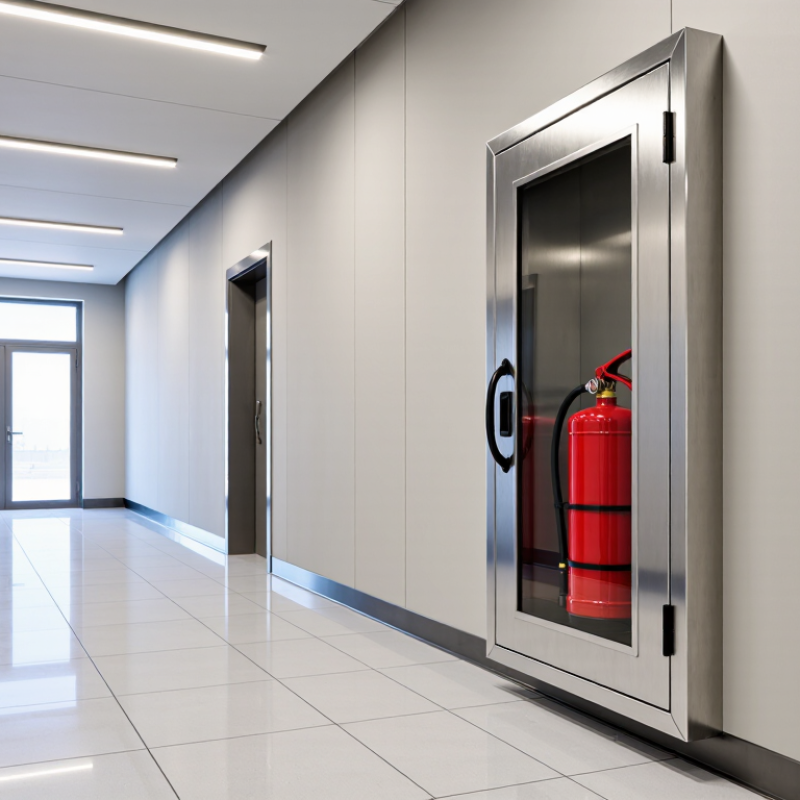
Recessed cabinets suit finished corridors and narrow public spaces. Their frames sit inside the wall, reducing protrusion near doors or stairways. Semi-recessed models offer similar clearance, but need less wall depth. Surface-mounted cabinets work better in warehouses, workshops, and retrofit projects. They install quickly on solid walls. Outdoor cabinets require weather-resistant materials, sealed edges, and visible identification. In coastal or industrial areas, corrosion protection matters more than appearance.
The National Fire Protection Association reported 1,388,500 fires in the United States during 2023. Its Fire Loss in the United States During 2023 report recorded about 3,670 civilian fire deaths and $21.9 billion in direct property damage. These figures support placing suitable extinguishers where people can find them quickly. NFPA 10 also addresses extinguisher selection, installation, inspection, and maintenance.
Cabinet size must allow full removal without awkward movement. It should not hide behind storage, curtains, or opening doors. Transparent panels improve visibility, but they can crack in busy work areas. A lock may prevent misuse, yet delayed access creates another hazard. This trade-off deserves site-specific review. A cabinet chosen only for low price often fails in real conditions. Check wall construction, travel paths, climate, and local inspection requirements before ordering.
How to Match a Cabinet with the Extinguisher Type
Choosing an extinguisher cabinet starts with the extinguisher inside it. A cabinet is not suitable simply because it looks strong or fits the wall space. Check the extinguisher label, dimensions, operating temperature, and environmental rating before choosing a cabinet.
Water and foam extinguishers need protection from freezing temperatures and direct sunlight. Their cabinets should allow quick viewing and easy removal without trapping moisture. Dry powder models often require more internal clearance because of their wider cylinders and safety pins. A cramped cabinet can delay access during a real emergency. Small detail. It matters.
Carbon dioxide extinguishers can become heavy and awkward to lift, so choose a cabinet with generous door clearance and secure mounting support. Wet chemical units may need extra height, especially when their hose or nozzle rests beside the cylinder. In dusty, damp, or coastal areas, corrosion-resistant materials are a practical choice. Transparent doors help staff identify the extinguisher without opening the cabinet. However, glare can reduce visibility. I still find this detail easy to overlook.
Keep the cabinet near the hazard it serves, but never behind stored goods, locked doors, or narrow furniture gaps. Confirm that its size matches the extinguisher’s actual height and handle position. Installation should follow local fire requirements and the extinguisher manufacturer’s instructions. A qualified fire-safety professional can verify access, signage, mounting height, and inspection visibility before the cabinet is put into service.
How to Choose the Best Extinguisher Cabinets? - How to Match a Cabinet with the Extinguisher Type
| Extinguisher Type | Suitable Fire Classes and Applications | Recommended Cabinet Features | Important Material and Finish Considerations | Typical Internal Clearance | Installation Guidance | Avoid |
|---|---|---|---|---|---|---|
| Water | Class A fires involving ordinary combustibles such as wood, paper, textiles, and some plastics. | Use a standard surface-mounted or recessed cabinet with a clear viewing panel, easy-open door, and prominent extinguisher signage. | Powder-coated steel or corrosion-resistant stainless steel is suitable for normal indoor areas. Avoid prolonged exposure to freezing temperatures. | Allow at least 50–75 mm of clearance around the extinguisher, subject to the extinguisher manufacturer’s dimensions. | Place near exits, corridors, and other visible access routes. Keep the handle unobstructed and easy to reach. | Do not use water extinguishers on energized electrical equipment or flammable-liquid fires. |
| Foam | Commonly used for Class A and some Class B fires involving flammable liquids, depending on the extinguisher approval and label. | Choose a cabinet with enough depth for the cylinder, hose, and discharge nozzle. A viewing window helps confirm availability without opening the door. | Use a durable, moisture-resistant finish. In locations exposed to salt, chemicals, or wash-down water, specify enhanced corrosion protection. | Provide approximately 75 mm of side and top clearance, plus sufficient front space to remove the extinguisher safely. | Install in a cool, accessible indoor location and protect from freezing unless the extinguisher is specifically rated for low temperatures. | Do not use on fires involving energized electrical equipment unless the product is specifically approved for that use. |
| Carbon Dioxide (CO2) | Class B flammable-liquid fires and energized electrical equipment, where the extinguisher is appropriately rated. | Use a deeper and stronger cabinet because CO2 extinguishers often have a large discharge horn. Provide a wide opening and robust retaining bracket. | Choose a cabinet that protects the horn from impact. Metal construction is preferred in workshops, plant rooms, and commercial environments. | Allow extra depth and at least 75–100 mm of clearance around the horn and handle; confirm the actual dimensions before ordering. | Keep away from excessive heat and locate near electrical or flammable-liquid hazards. Do not block ventilation in the surrounding room. | Do not use in a confined occupied space without considering the risk of oxygen displacement. Do not use on Class A materials that may re-ignite. |
| Dry Chemical ABC | Class A, B, and C fires: ordinary combustibles, flammable liquids, and flammable gases, subject to the product label and local requirements. | A general-purpose cabinet with a clear window, strong mounting points, and enough room for the hose or nozzle is normally suitable. | Powder-coated steel works well indoors. Select a corrosion-resistant enclosure for garages, factories, warehouses, and semi-exposed areas. | Allow at least 50–75 mm around the cylinder and hose assembly. Larger stored-pressure units may require additional cabinet depth. | Mount where the extinguisher is visible and readily accessible. Avoid locations subject to vibration, impact, or direct radiant heat. | Do not place where powder contamination could damage sensitive equipment unless an alternative extinguishing agent is more appropriate. |
| Dry Chemical BC | Class B and C fires involving flammable liquids and gases; it is not intended for ordinary Class A materials unless specifically stated on the label. | Use a cabinet sized for the cylinder and discharge assembly, with a quick-access door and clear identification of the extinguisher rating. | Use a sealed, durable finish where dust or moisture is present, while ensuring the cabinet does not interfere with inspection and maintenance. | Provide approximately 50–75 mm of clearance around the extinguisher and enough room to remove it without striking the cabinet. | Position close to identified flammable-liquid or gas hazards and along a clear escape route. | Do not rely on a BC extinguisher for deep-seated Class A fires or smoldering materials. |
| Wet Chemical | Class K fires in commercial cooking appliances; some products may also be rated for Class A fires. In Europe, equivalent cooking-oil classifications may use Class F. | Select a tall or deep cabinet if the extinguisher has a long hose and specialized discharge lance. The door must open fully without contacting kitchen equipment. | Use stainless steel or a highly corrosion-resistant finish in kitchens exposed to grease, steam, detergents, and frequent cleaning. | Allow at least 75 mm around the cylinder and additional clearance for the hose, lance, and mounting bracket. | Install near the kitchen exit or an unobstructed approach to the cooking area, but not directly above hot appliances. | Do not use water on burning cooking oil. Do not position the cabinet where grease accumulation can prevent the door from opening. |
| Clean Agent | Suitable for certain Class A, B, and energized electrical risks, especially where residue could damage electronics, control panels, or precision equipment. | Use a cabinet with a clear window and adequate depth for the specific cylinder, hose, and safety pin. Avoid cabinets that conceal pressure or inspection indicators. | Choose a clean, corrosion-resistant finish suitable for offices, server rooms, laboratories, and control areas. Confirm compatibility with the agent and enclosure temperature range. | Provide at least 50–75 mm around the extinguisher and enough room to remove it without touching delicate equipment. | Install near entrances and exits to protected rooms. Confirm that the agent is approved for the intended fire risks and occupancy. | Do not assume every clean agent is suitable for every fire class or enclosed-space application; follow the product label and safety data. |
| Water Mist | Some models are approved for Class A, B, electrical, or cooking risks. The permitted applications vary significantly by product certification. | Use a cabinet with a clear front and sufficient room for the specific nozzle and hose arrangement. Display the extinguisher rating clearly. | Use corrosion-resistant construction in humid areas. Protect the cabinet from freezing unless both the cabinet location and extinguisher are rated for low temperatures. | Allow approximately 50–75 mm around the unit and verify the nozzle does not catch on the door or retaining bracket. | Place in a visible, accessible location near the relevant hazard and maintain the required inspection access. | Do not select a water-mist extinguisher solely by name; verify its tested fire classifications on the label. |
Key Cabinet Materials, Sizes, and Design Features
How to Choose the Best Extinguisher Cabinets?
Cabinet material affects protection, maintenance, and appearance. Powder-coated steel suits most indoor corridors and offers strong impact resistance. Stainless steel performs better in humid kitchens, workshops, and coastal facilities. Aluminum reduces weight, but it may dent more easily. Polycarbonate cabinets resist corrosion and provide clear visibility. NFPA’s Fire Loss in the United States report estimated 1,388,500 fires in 2023. That figure reinforces a practical point: equipment must remain visible and reachable, not merely protected.
Choose the smallest cabinet that safely fits the extinguisher, hose, signage, and hand clearance. A tight fit slows inspection and removal. A very large box wastes wall space and looks careless. Recessed cabinets create a cleaner corridor, while surface-mounted models simplify installation on solid walls. Semi-recessed designs balance both needs. NFPA 10 states that extinguishers weighing 40 pounds or less should generally have their tops no higher than five feet above the floor. Confirm local requirements and the extinguisher’s actual weight before installation.
Tips: Check door swing, wall depth, lighting, and accessibility before ordering. Select a transparent panel when quick identification matters. Use a break-glass feature only when it will not delay access or create injury risks. Inspect hinges, labels, and corrosion regularly. I have seen attractive cabinets fail because their dimensions ignored the handle and hose. That detail is easy to miss. Recheck the drawing.
How to Choose the Best Extinguisher Cabinets?
Key cabinet materials, sizes, and design features
Installation dimensions that affect cabinet selection: Portable extinguishers with a gross weight of 40 lb (18.1 kg) or less should generally have their tops no higher than 60 in (1,524 mm) above the floor. Heavier units should generally have their tops no higher than 42 in (1,067 mm), and the bottom of the extinguisher should be at least 4 in (102 mm) above the floor.
Material guidance: Painted galvanized steel is a practical choice for general indoor areas, stainless steel is better suited to damp or corrosive environments, and impact-resistant polymer cabinets can be useful where corrosion and visibility are priorities.
Design features to check: Confirm that the cabinet internal dimensions fit the extinguisher with operating clearance, the door opens fully, the extinguisher is immediately visible, signage is easy to read, and the cabinet does not obstruct access or emergency egress. Always verify local fire-code and accessibility requirements before installation.
Reference dimensions are based on commonly applied portable fire-extinguisher mounting guidance in NFPA 10. Local regulations may differ.
Where to Install Cabinets for Safe and Fast Access
Choosing the best extinguisher cabinet starts with access, not appearance. NFPA reported 1,388,500 fires in the United States during 2023. A visible cabinet can support faster action when smoke, noise, and confusion affect judgment. Install it along a normal travel route, near exits, kitchens, workshops, electrical rooms, and other identified hazards. Avoid storage rooms, behind doors, dark corners, and areas blocked by carts or furniture.
OSHA 29 CFR 1910.157 requires extinguishers to remain readily accessible and clearly identified. NFPA 10 commonly limits travel distance to 75 feet for Class A hazards, although the hazard assessment may require closer placement. Mount the cabinet at a comfortable viewing height. The extinguisher should be easy to remove without tools, keys, or excessive force. A locked cabinet can delay response. That defeats its purpose.
Choose a cabinet with enough depth for the extinguisher, its inspection label, and a gloved hand. Provide strong lighting and keep the approach space clear. A red door helps, but color alone is not a safety system. I have seen cabinets become invisible after office renovations. That detail deserves review. Check visibility after moving shelves, installing signs, or changing equipment. Record inspections, confirm the extinguisher remains sealed and charged, and replace damaged glazing promptly. Sources: NFPA, Fire Loss in the United States During 2023; NFPA 10; OSHA 29 CFR 1910.157.
How to Inspect, Maintain, and Replace Extinguisher Cabinets
A good extinguisher cabinet needs regular inspection, not occasional attention after an emergency. During a site walk, check that the cabinet is visible, unobstructed, and easy to open. A chair, carton, or cleaning trolley can block access within minutes. Look through the glass for corrosion, cracked panels, loose brackets, missing labels, or an extinguisher that has shifted from its support. The door should close properly without sticking. Small faults matter.
I recommend recording the inspection date, location, cabinet condition, and corrective action. Wipe away dust with a dry or slightly damp cloth, but keep moisture away from hinges and seams. Test the latch gently; forcing it may damage the door. Never use the cabinet for storage. An authorized fire-safety professional should inspect the extinguisher itself according to applicable local requirements. I once overlooked a faded location sign during a routine check. It was a useful reminder that visibility is part of readiness, not decoration.
Replace the cabinet when the frame is bent, the door no longer seals, corrosion has weakened the metal, or the glass is unsafe. Replace it too when the cabinet cannot fit the required extinguisher securely. A larger cabinet is not always better; excessive movement can damage equipment. Match the replacement to the extinguisher size, mounting height, environment, and emergency access needs. Keep dated photographs when practical. They expose gradual damage that memory often misses.
Related Posts
-
What Is an Extinguisher Cabinet and What Types Are There?
-
What Are the Best Extinguisher Cabinets in 2026?
-
Global Sales of Upgraded Chinese Fire Protection Equipment for Optimal Safety Solutions
-
Unique Styles of Fire Extinguishers That Excel in Equipment Protection
-
How to Implement Effective Fire Protection Systems in Your Business Environment
-
2026 Top Fire Safety Equipment for Global Buyers