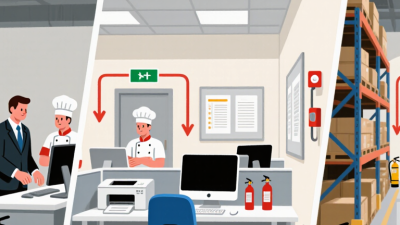
What Is Equipment Fire Suppression Equipment?
Equipment Fire suppression equipment protects machinery, production lines, and enclosed technical spaces from rapidly developing fires. It is not simply a cabinet of extinguishing agents. A reliable system combines detection, control logic, piping, discharge devices, alarms, and planned maintenance. The correct design depends on fuel type, heat release, enclosure volume, airflow, and equipment layout.
NFPA research reported an average of 37,910 fires annually in U.S. industrial and manufacturing properties from 2017 through 2021. These incidents caused approximately $1.2 billion in direct property damage each year. Those figures show why suppression planning must begin before installation. NFPA 10, NFPA 12, NFPA 17A, NFPA 2001, and NFPA 13 provide widely recognized guidance for portable extinguishers, carbon dioxide, wet chemicals, clean agents, and sprinkler systems. Each application still requires professional evaluation.
Small details matter. A blocked nozzle can delay agent discharge. An untested detector can miss rising heat. Residue, vibration, and poor housekeeping can also weaken performance. FM Global property-loss prevention guidance similarly emphasizes hazard identification, inspection, impairment control, and reliable water or agent supplies. However, no system is flawless. Human error, unplanned process changes, and incomplete maintenance remain serious weaknesses. A practical introduction to Equipment Fire suppression equipment should therefore examine system types, operating principles, selection criteria, testing routines, and real installation constraints. It should also question whether a specification matches the actual hazard, rather than assuming compliance alone guarantees protection.
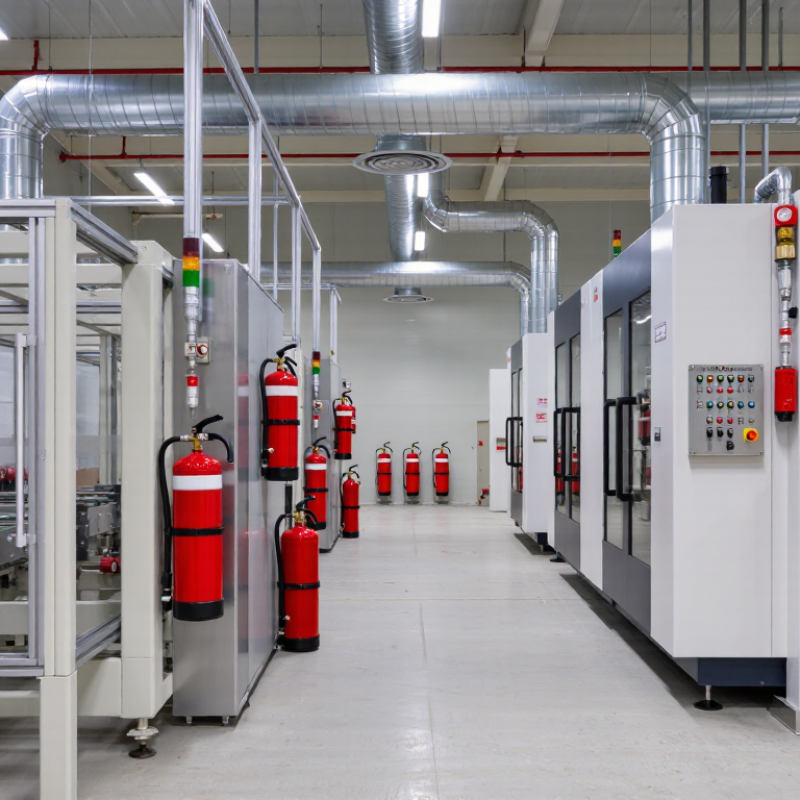
Definition and Purpose of Equipment Fire Suppression Systems
What Is Equipment Fire Suppression Equipment?
Definition and Purpose of Equipment Fire Suppression Systems
Equipment fire suppression equipment is a coordinated system designed to detect and control fires around valuable machinery. It may protect electrical cabinets, generators, industrial ovens, server enclosures, or cooking equipment. Unlike portable extinguishers, it can respond automatically when people are not nearby.
A typical system includes fire detectors, a control panel, agent storage, piping, and discharge nozzles. Detectors monitor heat, smoke, flames, or sudden temperature changes. When an approved trigger condition appears, the control panel evaluates the signal and activates suppression equipment. Some systems also shut down fuel, power, ventilation, or moving machinery. This limits fire growth and reduces damage.
The suppression agent must match the hazard. Electrical areas often require agents that leave little or no residue. Machinery with hot oil needs a different approach. A qualified assessment should consider fuel type, enclosure size, airflow, operating temperature, and employee safety. Installation should follow recognized safety standards and applicable local requirements.
Small details matter. A blocked nozzle can change the discharge pattern. An old detector may respond too slowly. Regular inspection, functional testing, clear alarm access, and documented servicing support reliable operation. Yet no system is perfect. Poor housekeeping, changed equipment, or untrained staff can weaken protection. Reviewing the system after every major process change is easy to overlook, but it remains essential.
Types of Equipment Fire Suppression Equipment
What Is Equipment Fire Suppression Equipment?
Equipment fire suppression equipment protects machinery, work areas, and valuable processes from fire damage. Its design depends on the fuel, heat source, room size, and equipment layout. A trained fire protection professional should assess these conditions before installation.
Types of Equipment Fire Suppression Equipment
Water sprinkler systems are common in warehouses, workshops, and utility rooms. They cool burning materials and limit fire spread. However, water can damage electrical panels, computers, and sensitive machinery.
Foam systems work well where flammable liquids may ignite. They create a blanket over the fuel and reduce vapor release. Dry chemical systems respond quickly to fuel, oil, and electrical fires. They are useful around industrial machines, but cleanup can be difficult.
Clean agent systems protect servers, control cabinets, and enclosed equipment. They suppress flames without leaving heavy residue. Proper room sealing and discharge controls are essential. Carbon dioxide systems can protect certain unoccupied industrial areas, but they require strict safety controls because the gas can displace oxygen.
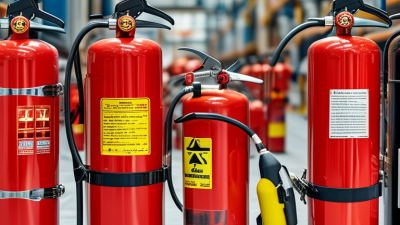
Portable extinguishers provide immediate support before a fixed system activates. Their type, size, location, and inspection schedule should match the hazard. They must remain visible and accessible.
Real conditions can be messier. Dust, blocked nozzles, poor ventilation, or changed machinery may reduce performance. I have found that an installation can look complete while missing practical details. Regular inspections, staff training, and documented maintenance help reveal those weaknesses. Local fire requirements and qualified technical guidance should always influence the final selection.
Key Components and How the System Works
Equipment fire suppression equipment is an engineered system that detects and controls fires around machinery, electrical cabinets, production lines, and enclosed process areas. Its core components include detectors, a control panel, agent cylinders, release valves, piping, discharge nozzles, alarms, and manual-release stations. Some systems also connect to emergency power shutoffs and ventilation controls.
The operating sequence is precise. A heat, smoke, or flame detector sends a signal to the control panel. The panel checks the alarm condition, often using cross-zoned detection to reduce false releases. It can then stop fuel flow, isolate electrical equipment, and activate audible alarms. The suppression agent follows through fixed piping and exits through calibrated nozzles. Water mist cools surfaces. Dry chemical interrupts combustion. Clean agents reduce fire risk in sensitive enclosures without leaving residue.
Selection must follow the fuel, enclosure volume, operating temperature, and re-ignition risk. NFPA’s Fire Loss in the United States During 2023 reported about 1.39 million fires and approximately 22 billion dollars in direct property damage. That figure includes many property types, but it shows why equipment-level protection deserves careful design. Testing matters too. NFPA 72 addresses detection and signaling, while NFPA 17A and NFPA 12 cover specific suppression approaches. A poorly positioned nozzle can leave a dangerous shadow. Maintenance records may look complete, yet neglected detectors still fail. Engineers should verify airflow, agent concentration, shutdown logic, and access conditions during real inspections.
Equipment Fire Suppression: Common Agents and Fire Classes
Fire suppression equipment combines detection, control, agent storage, piping or discharge devices, alarms, and system shutdown controls. When a detector identifies heat, smoke, or flame, the control panel activates alarms and releases the selected suppression agent when the system conditions are satisfied.
The chart shows the fire classes commonly addressed by major suppression-agent categories. Actual suitability depends on the hazard, equipment configuration, listing, and applicable fire-safety standards.
Applications in Industrial and Commercial Settings
What Is Equipment Fire Suppression Equipment?
Applications in Industrial and Commercial Settings
Equipment fire suppression equipment detects, controls, and extinguishes fires before they spread. Typical systems include sprinklers, water mist, clean agents, dry chemicals, and foam. Detection comes first. Sensors monitor heat, smoke, flames, or pressure inside protected areas.
Industrial facilities use suppression systems around process machinery, fuel storage, electrical cabinets, and paint operations. A discharge system can limit damage near a running production line. However, the design must match the hazard. Water may damage energized equipment, while dry chemicals can contaminate sensitive machinery. NFPA reported 1,388,500 fires and approximately $23.6 billion in direct property damage in the United States during 2023, showing why targeted protection matters (NFPA, Fire Loss in the United States During 2023).
Commercial applications include server rooms, commercial kitchens, warehouses, laboratories, and underground parking areas. Clean-agent systems can protect data rooms without soaking electronic equipment. Kitchen systems need coverage beneath hoods, around filters, and near cooking surfaces. Small details matter. OSHA guidance also requires accessible, maintained portable extinguishers in covered workplaces (29 CFR 1910.157). A system can still fail when inspection records are incomplete, nozzles are blocked, or staff cannot recognize the alarm. Regular testing, trained personnel, and a realistic hazard assessment remain essential.
Selection, Installation, Inspection, and Maintenance
What Is Equipment Fire Suppression Equipment?
Equipment fire suppression systems protect machinery, electrical cabinets, process areas, and enclosed hazards. Selection begins with the fuel, not the room size. Water suits many ordinary combustibles, while clean agents may fit energized electrical equipment. Foam, dry chemicals, or inert gases may serve different risks. A competent assessment should review heat release, ventilation, drainage, re-ignition, and personnel exposure.
NFPA’s U.S. Experience with Sprinklers report found sprinklers operated in about 92% of fires large enough to activate them. They were effective in about 88% of those fires.
Performance depends on correct design.
Installation must follow the approved hydraulic or agent-discharge design. Keep nozzles clear of beams, storage, cable trays, and machinery guards. A blocked nozzle can create a dangerous blind spot. Commissioning should include alarm tests, pressure checks, valve supervision, enclosure integrity testing, and clear system records. Field experience shows that small installation changes can undermine a carefully calculated system.
That deserves more attention.
Inspection and maintenance should follow NFPA 25 and the equipment’s listed instructions. Inspectors should check gauges, valves, cylinders, piping, detection devices, and power supplies. Look for corrosion, leakage, damaged wiring, closed valves, and relocated equipment. Test results should identify defects, responsible personnel, and correction dates.
NFPA data shows strong system performance, but the statistics are not guarantees. Aging seals, dust, poor housekeeping, or an unreported process change can still defeat protection. Regular training matters too. People may know where the panel is, yet hesitate during a real alarm.
Related Posts
-
How to Choose the Right Fire Equipment for Your Business?
-
2025 Trends in Firefighting Technology: How to Select the Best Equipment for Your Needs
-
Top 10 Must Have Firefighters Equipment for 2023 You Need to Know
-
2026 Top Fire Safety Equipment for Global Buyers
-
Exploring the Unique Features and Applications of Top Firefighters Equipment for Global Buyers
-

Why is Life Safety Equipment Essential for Every Home?